Charcoal, often associated with grilling or industrial processes, is undergoing a transformation in its perception. Beyond its traditional uses, this black gold has many benefits for one’s personal health. Additionally, we’ll provide a DIY recipe for a natural and revitalizing charcoal toothpaste.
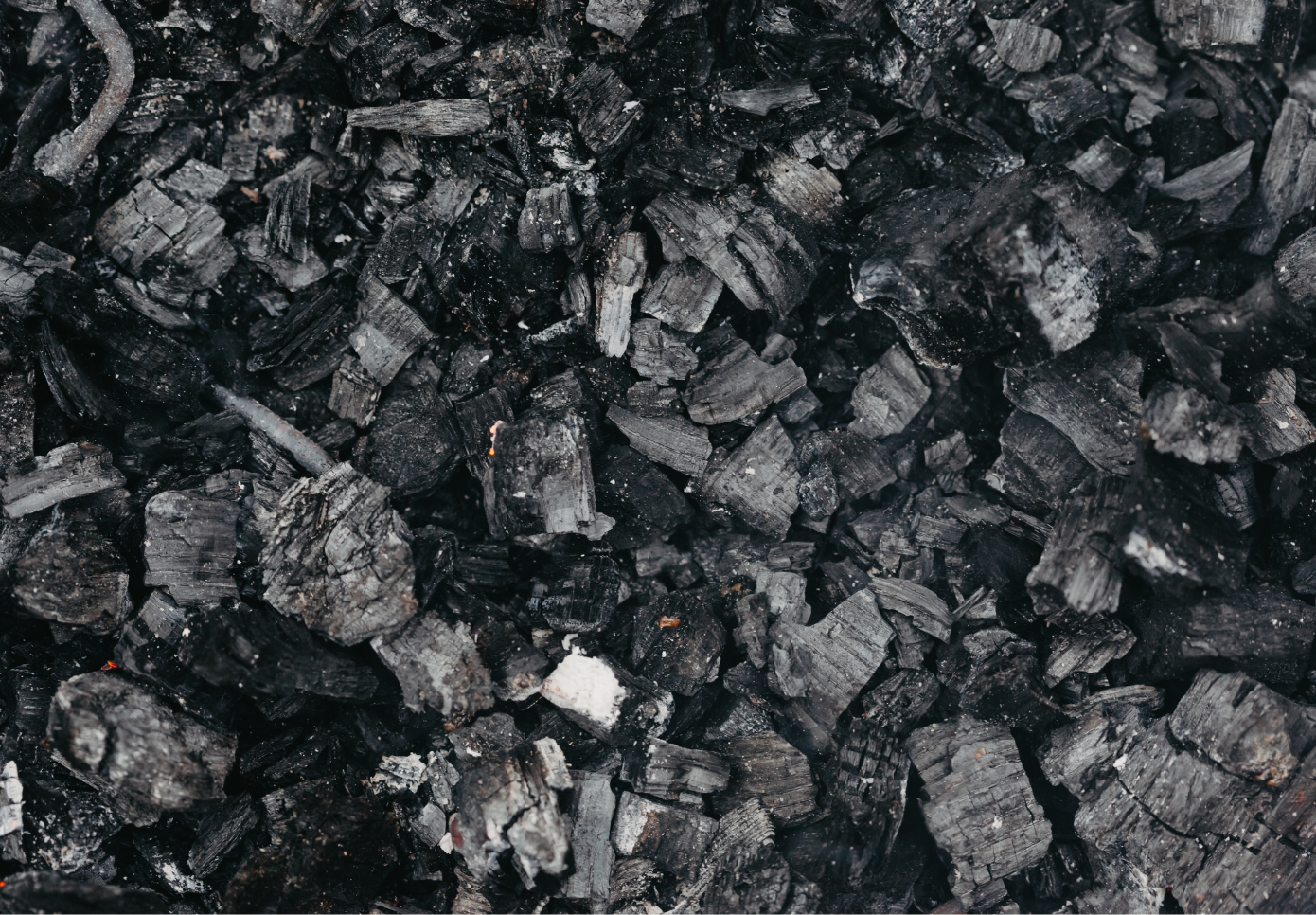
Charcoal production is an age-old practice, often associated with cooking and industrial processes. It involves heating organic materials, such as wood, peat, or coconut shells, in the absence of air. This process, known as pyrolysis, leaves behind a carbon-rich substance – charcoal. In recent times, there has been a growing awareness of the environmental impact of traditional wood-based charcoal, leading to a shift towards more sustainable alternatives, such as coconut charcoal.
Coconut Charcoal a Sustainable Solution
Coconut charcoal stands out for its eco-friendly credentials. Made from discarded coconut shells, a byproduct of the coconut industry, it provides a renewable and sustainable alternative to traditional wood-based charcoal. The use of coconut shells not only helps in waste reduction but also prevents deforestation, making it an excellent choice for conscious consumers and businesses alike.
Wholistic Health Applications:
Charcoal’s potential reaches far beyond its role in cooking and industrial processes. Activated charcoal, in particular, boasts impressive adsorption capabilities, making it a valuable tool in health and wellness practices. Its ability to bind to toxins and impurities has led to its use in detoxification protocols, digestive health, and even wound healing. Activated Charcoal is also a powerful remedy for upset stomach, food poisoning and alcohol poisoning. I keep some on me especially as I travel through various countries eating the foods that my body may not be used to.
Oral Health and Charcoal: A Natural Fusion:
Charcoal’s purification capabilities extend to oral health, making it a valuable ingredient in natural toothpaste making. Its gentle abrasiveness aids in removing surface stains, while its adsorptive qualities help eliminate bacteria and toxins. For a natural approach to oral care, health practitioners can recommend or create charcoal toothpaste, promoting a brighter smile without the use of harsh chemicals.


DIY Charcoal Toothpaste Recipe for Holistic Oral Care:
Ingredients:
2 tablespoons coconut charcoal powder
1 tablespoon baking soda
1 tablespoon clove powder
1 tablespoon cinnamon powder
3 tablespoons coconut oil
10 drops of peppermint essential oil (for flavor)
Instructions:
Combine coconut charcoal powder and baking soda in a bowl.
Add melted coconut oil to the mixture, stirring until a smooth paste forms.
Incorporate peppermint essential oil for a refreshing flavor, ensuring even distribution.
Store the toothpaste in a jar with a lid.
Charcoal, particularly the sustainable choice of coconut charcoal, is not just a cooking fuel; it’s a wellness ally with diverse therapeutic applications. As health and wellness practitioners, embracing the holistic potential of charcoal in detoxification, digestive health, and oral care aligns with a commitment to natural, sustainable healing practices, promoting well-being from the inside out.Incorporating charcoal into wellness routines will offer many holistic benefits for your physical well-being.